
Color Correcting: What To Do When Color Goes Wrong
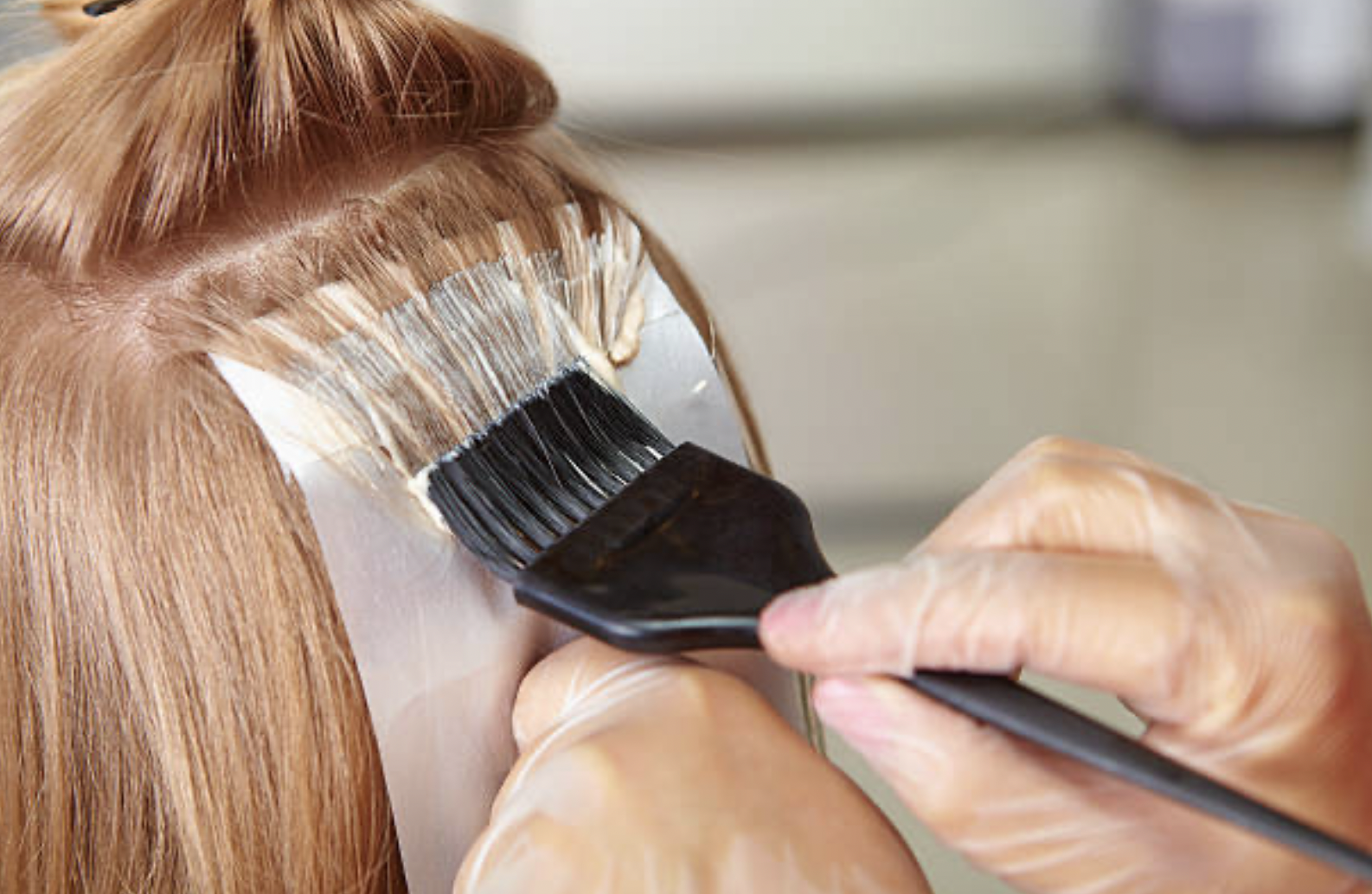
So, you took a chance on a new color…maybe you tried that at-home box, trusted a friend, or visited a salon that didn't quite understand your vision. Now you’re left with a shade that’s brassy, too dark, patchy and uneven, or just simply not right for you.
After you come down from the initial panic (we’ve all been there) know that it can be fixed with the right professional. Color corrections are one of the most common and transformative services. They're a journey back to hair you love, and knowing what to expect is the first step toward restoring your hair and your confidence in your look. This process isn't about quick fixes; it's about thoughtful, chemical artistry that prioritizes the long-term health and beauty of your hair.
How to Know You Need a Color Correction
Color mishaps aren't always dramatic disasters. Sometimes, the issue is subtle but persistent, leaving your hair looking dull, uneven, or just "off." Understanding the specific problem is the first step toward the solution. Here are the most common signs that it's time for a professional correction:
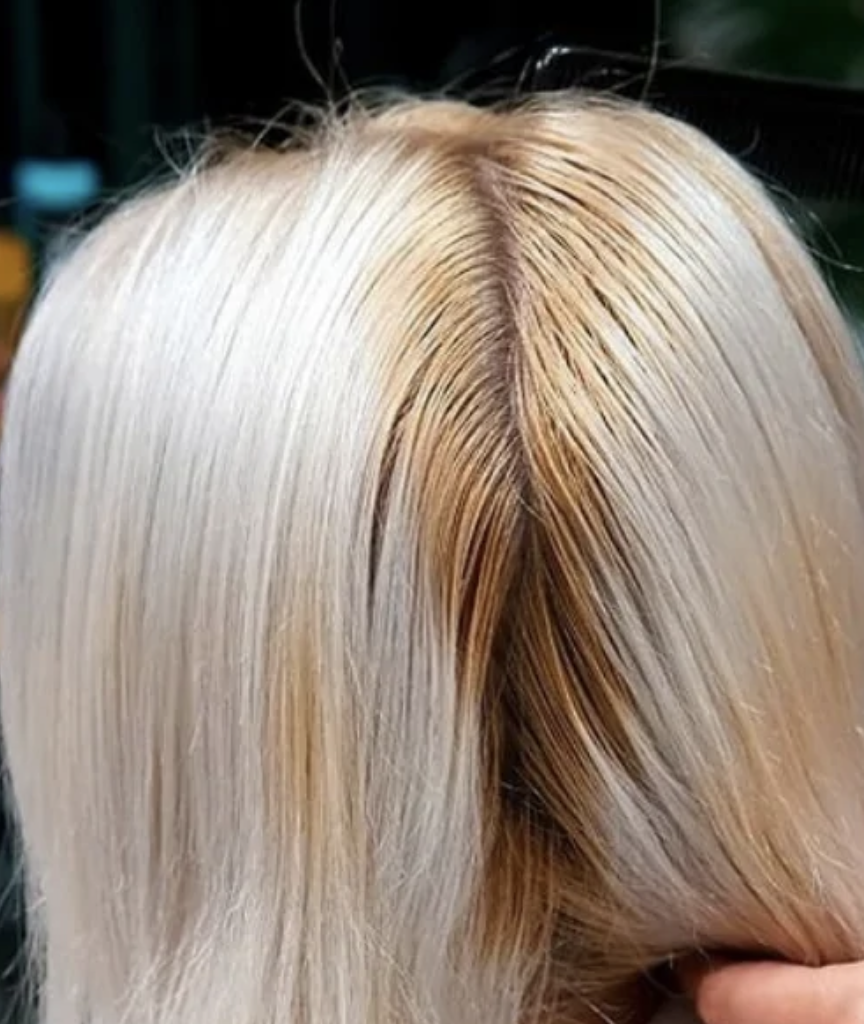
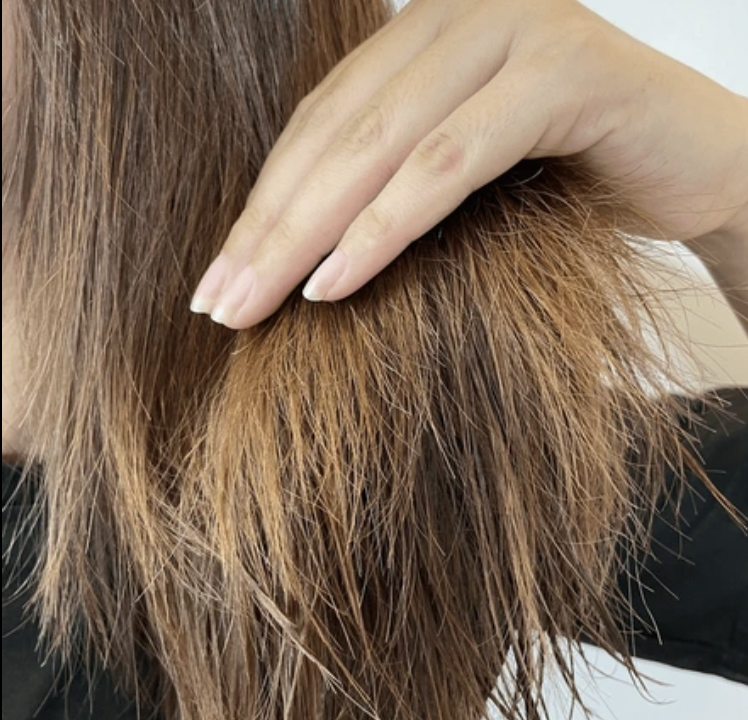
Unwanted Brass or Orange Tones: Your cool blonde turned yellow, or your brunette has a rusty, orange glow. This is often due to underlying pigments not being properly neutralized during the lightening process, a telltale sign of incomplete or rushed color work.
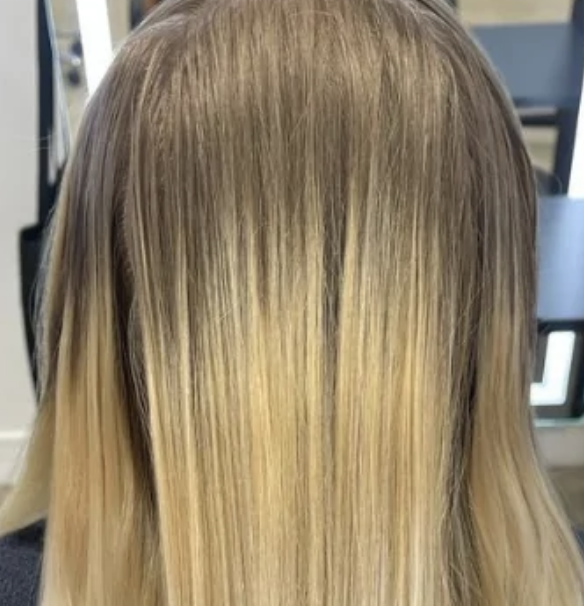
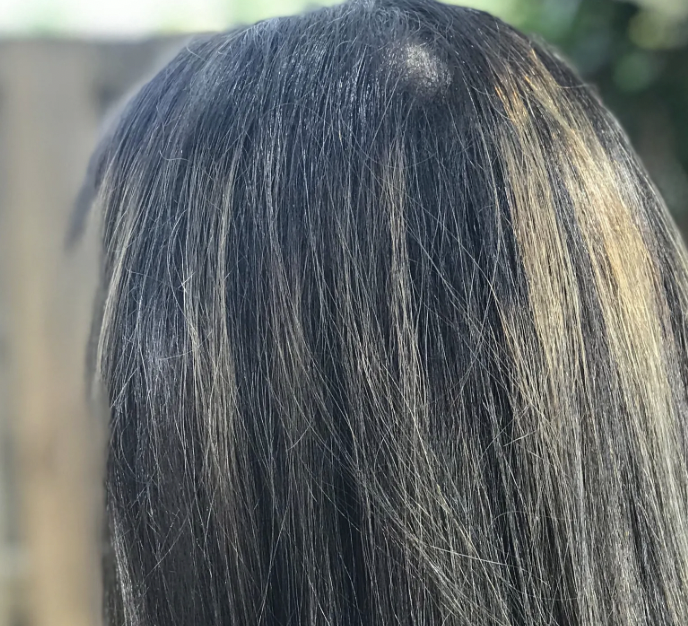
Uneven or Patchy Color: You see distinct lines of demarcation, splotchy highlights, or sections that didn't take color evenly. This indicates inconsistent product application, overlapping on previously colored hair, or using a formula that didn't account for your hair's varying porosity levels.
Color That’s Too Dark, Dull, or Ashy: The shade looks flat, muddy, or significantly darker than you wanted, often from a dye that deposited too much pigment. Conversely, it can turn an unflattering, lifeless grayish or greenish tone if the wrong toner was used or left on too long.
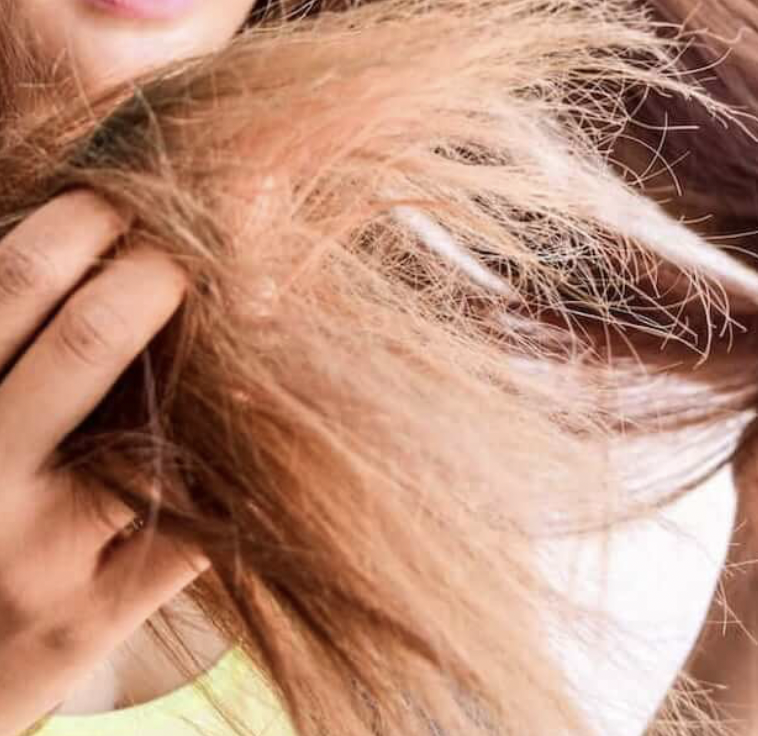
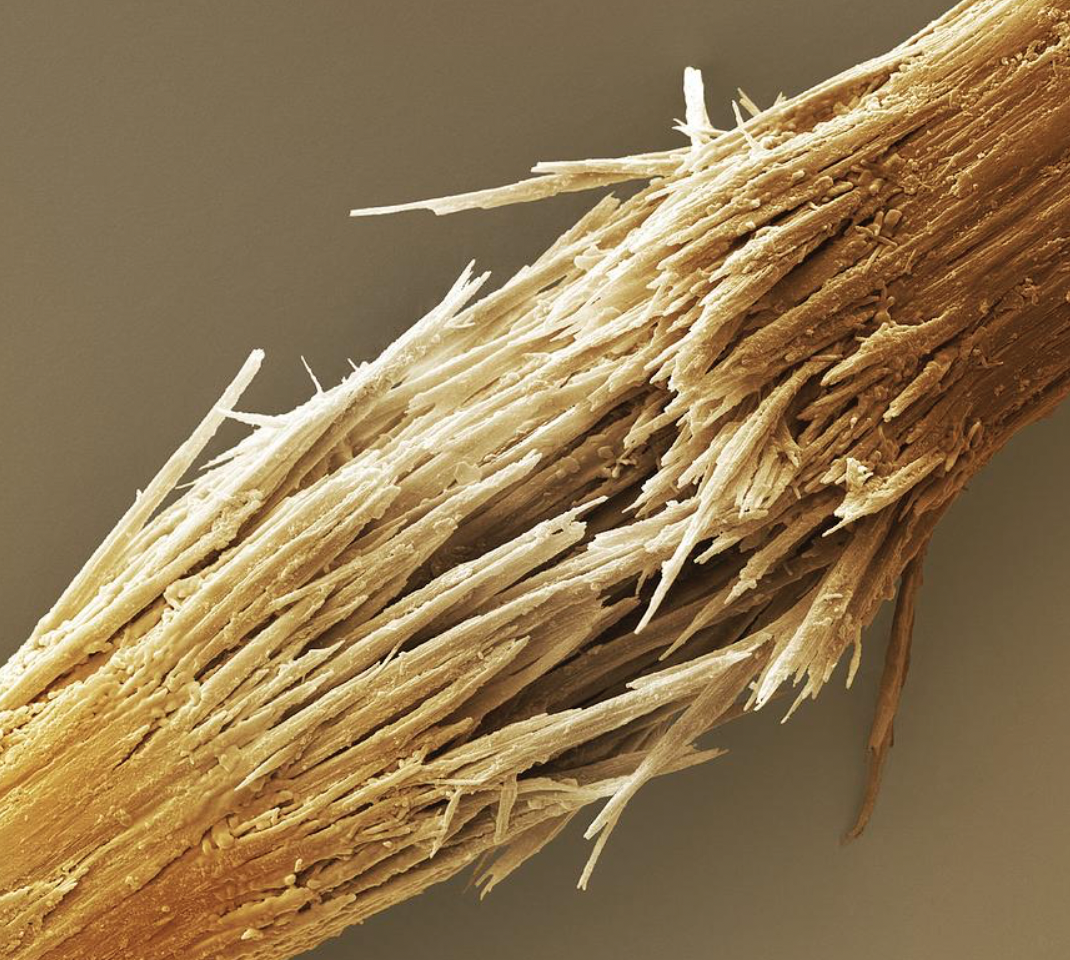
Damage Disguised as Bad Color: Sometimes, color looks bad because the hair is severely compromised. Extreme dryness, breakage, and a gummy texture can make even a technically good color look lifeless and unhealthy. The correction, in this case, must address both pigment and structure.
How Color Issues Impact Your Hair’s Health
It’s crucial to understand that the correction isn't just about aesthetics. It's also about the structural integrity of your hair. The existing color, especially from overlapping dye applications or harsh at-home kits, has fundamentally altered your hair's porosity and strength. It’s important to start with a thorough assessment.
Increased and Uneven Porosity: Incorrect coloring can leave the hair cuticle overly raised and porous in some sections while remaining closed in others. This uneven porosity means it will soak up and release new color unpredictably, leading to further patchiness and rapid fading if not managed correctly.
Compromised Strength and Elasticity: Each chemical process breaks down the hair's internal disulfide bonds. If the hair is already over-processed from the initial mistake, it becomes fragile, losing its stretch and resilience. Our approach must rebuild these bonds while we work.
The Foundation is Key: We aren't just coloring over the problem. We are assessing the health of every strand to build a plan that fixes the color and preserves as much strength as possible. This often means our first goal is to rehabilitate, not just recolor.
What to Expect: The Consultation is Everything
The correction process begins long before you're in the color chair. Your initial consultation is the most critical step, where we set realistic expectations and build a plan for success.
Be Prepared for a Thorough Analysis: We will conduct an in-depth analysis of your hair's current condition, its entire chemical history, and the specific pigments present. This involves examining the roots, mid-lengths, and ends separately, as they often have different needs.
Honesty About Timing and Results: We will be transparent about what’s achievable in one session versus what may require multiple visits to reach your goal safely without causing breakage. Protecting the integrity of your hair is our top priority, even if it means moving more slowly. Often color corrections require multiple visits to accomplish the desired look and it depends on the state of your hair at your initial visit to really gauge how long the process take.
Visual References are Key: Bring clear pictures of your desired outcome. Equally helpful are photos of what you don't want. This visual dialogue ensures we are perfectly aligned on the end goal.
Trust the Timeline: A true, meticulous color correction is rarely a quick service. It is a strategic, often multi-phase process that can take a full afternoon or more. This patience is necessary or achieving beautiful, healthy, and lasting results.
What the Correction Process Actually Looks Like
While every correction is uniquely tailored, most follow a similar strategic framework designed for maximum safety and precision.
Thorough Assessment & Strand Testing: Before any formula is mixed, we often perform a test strand. This small, discreet section tells exactly how your hair will react to color remover, lightener, or new color. It's a litmus test, showing the integrity of your hair and how much pigment that can be safely altered.
Gentle Color Removal or "Filling": If the goal is to remove unwanted artificial pigment, we use gentle, targeted color removers, not harsh bleach baths, to lift only what's necessary. If we're taking hair darker, we almost always need to "fill" the hair first. This critical step re-deposits the underlying warm pigments that were stripped out, creating a balanced canvas so the final color looks rich, natural, and doesn't turn green or muddy.
Strategic, Section-by-Section Application: This is where the artistry and science merge. We apply new color with methodical precision, using a combination of techniques like balayage, foiling, or global application to neutralize unwanted tones, blend harsh lines, and create seamless, dimensional color that grows out seamlessly.
Integrated Bond-Building & Toning: Throughout the entire process, we integrate bond-building additives (like Kerastase or Olaplex) directly into our formulas to fortify the hair internally. The final step is a custom toner or gloss. This isn't just for shade; it perfects the tone, adds incredible reflective shine, and smoothes the cuticle to lock in color and moisture.
The Essential Maintenance Conversation: Your role in maintaining the result is not to be overlooked. Before you leave, we’ll explain a plan for at-home care. Using the correct, salon approved color-safe shampoos and conditioners, and leave-in treatments is essential to protect your investment and continue the healing process.
Salon-Approved Products for Maintaining Corrected Color:
Shu Uemura Color Luster (Color Protecting) Shampoo, Conditioner, Mask
Kèrastase Première Concentré Décalcifiant Ultra-Réparateur Repairing Treatment
A color correction is more than just a quick fix, it’s a collaboration between you and your colorist, rooted in trust, technical expertise, and a shared vision for your hair’s health and beauty.