
The Great Repair | A Professional Guide To Fixing Damaged Hair
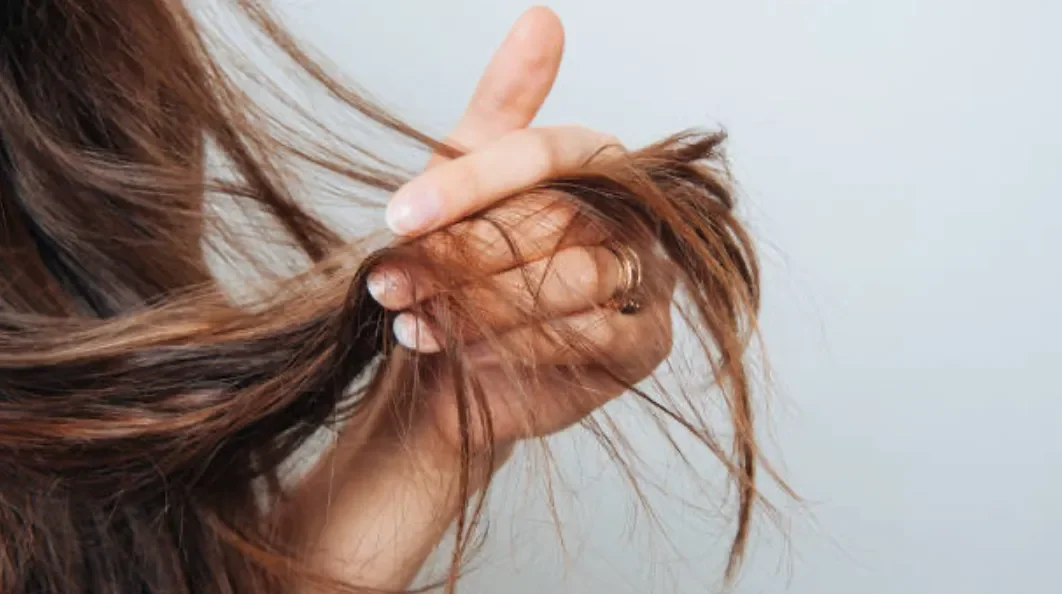
Frizzy, dully hair, split ends, and breakage are not only hassles when it comes to styling but are signs that your hair has damage. As frustrating as it may be, damaged hair doesn’t have to be permanent. With the right professional guidance and at-home care, hair damage can be managed and repaired so you can have healthy and beautiful tresses. This guide will help you understand the causes of damage and the most effective strategies for restoring your hair’s health and strength.
Understanding the Causes of Hair Damage
To prevent damage, it’s important to first understand what causes it, and there are many factors that may be unexpected. Daily routines and environmental stressors can gradually weaken the hair’s structure, causing it to be more prone to damage. Becoming mindful of these key contributors allows you to make smarter choices for your hair’s long-term health.
Heat: Regular use of hot tools without a protective barrier essentially cooks the hair, leading to dryness, breakage, and a lack of shine. Over time, continuous heat use breaks down the protective barrier, leaving it more prone to texture changes, dullness, breakage, and frizziness.
Chemical: Color and bleach break down the hair’s internal bonds to create your desired shade. Especially when done at home rather than with a professional, this can leave the hair weak and porous.
Mechanical: This includes rough towel-drying, brushing tangled hair from the roots, and sleeping on cotton pillowcases that create friction. It physically damages the hair, most commonly contributing to breakage.
Environmental: UV rays from the sun can fade color and weaken the hair shaft, while chlorine and hard water can cause mineral buildup and brittleness.
How to Prevent Hair Damage
Preventing damage is the most effective way to maintain healthy hair. Integrating a few simple habits into your routine can create a powerful defense system for your strands. The goal is to be proactive, building resilience from the first wash to the final style.
How To Use Heat Safely:
Always use a heat protectant. You should ideally use a heat protectant at each step you are adding heat. First before your blow-dry and then a dry heat protectant before you use direct heat with a flat iron or curler. It creates a shield between your hair and the hot tool.
Lower the temperature. Your flat iron and curling want don’t need to be on the highest setting. You can also opt for heatless curls for a similar look without the added stress to your hair.
Embrace air-drying. Whenever possible, especially when you are not getting ready for work or a special occasion, let your hair dry naturally to give it a break.
Salon Approved Products
Kérastase | Discipline Fluidissime Thermique Heat Protecting Spray
Kérastase | Genesis Defense Thermique Heat Protecting Spray
Oribe | Gold Lust Dry Heat Protectant
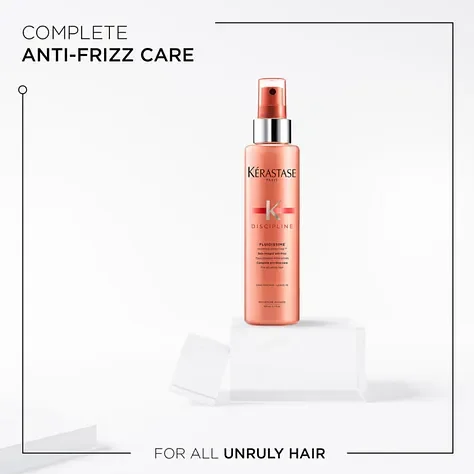
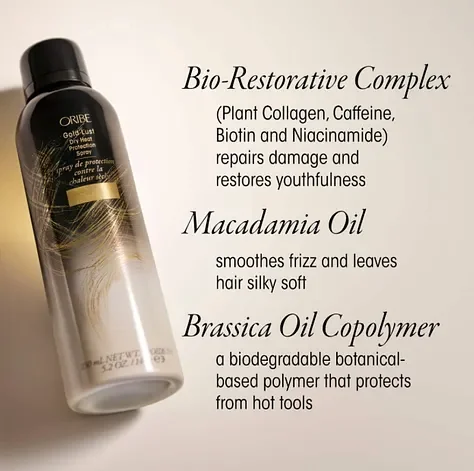
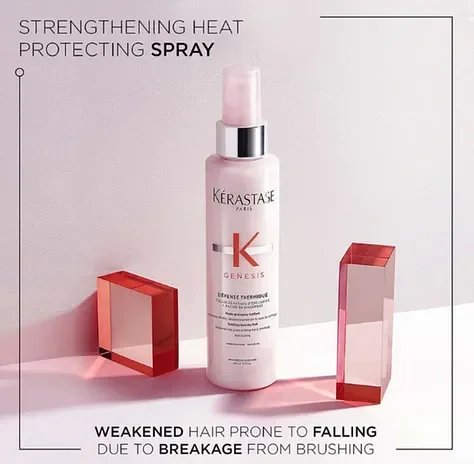
“Heat doesn’t always equate to damage. Often what’s happening is that you aren’t taking the proper steps to protect the hair before styling. My general rule is to do a light misting of heat protectant at every step to ensure maximum protection and also just don’t overdo it with heat!” - Bianca Rodriguez, Stylist
Style Without Stressing Your Hair:
Detangle with care. Use a wide-tooth comb on wet hair, starting from the ends and working your way up to the roots.
Switch to a microfiber towel or an old cotton t-shirt for drying to reduce frizz and breakage.
Invest in a silk pillowcase. The smooth surface drastically reduces friction, preventing tangles and breakage overnight. This also helps your styles last longer.
How to Repair Damaged Hair
If your hair is already damaged, effective repair involves a combination of the right at-home products and professional treatments. Your hair’s needs depend on whether your hair needs moisture, protein, or structural bond repair.
At-Home Repair:
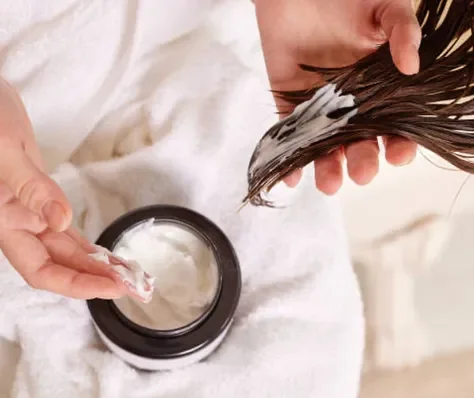
Protein vs. Moisture: Learn the difference. Brittle, snapping hair often needs protein to rebuild strength. Dry, straw-like hair craves moisture (humectants and oils). Incorporating a repairing or moisturizing mask into your routine can help restore life into your strands.
Leave-In Conditioners: A good leave-in provides a constant layer of protection and hydration throughout the day.
Scalp Health is Foundational: A healthy scalp grows healthy hair. Incorporate a scalp serum or treatment to ensure the new hair growing in is as strong as possible.
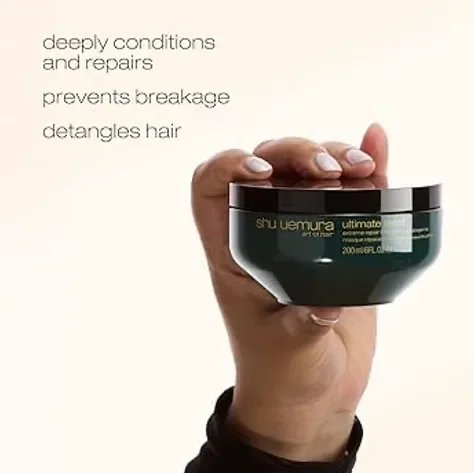
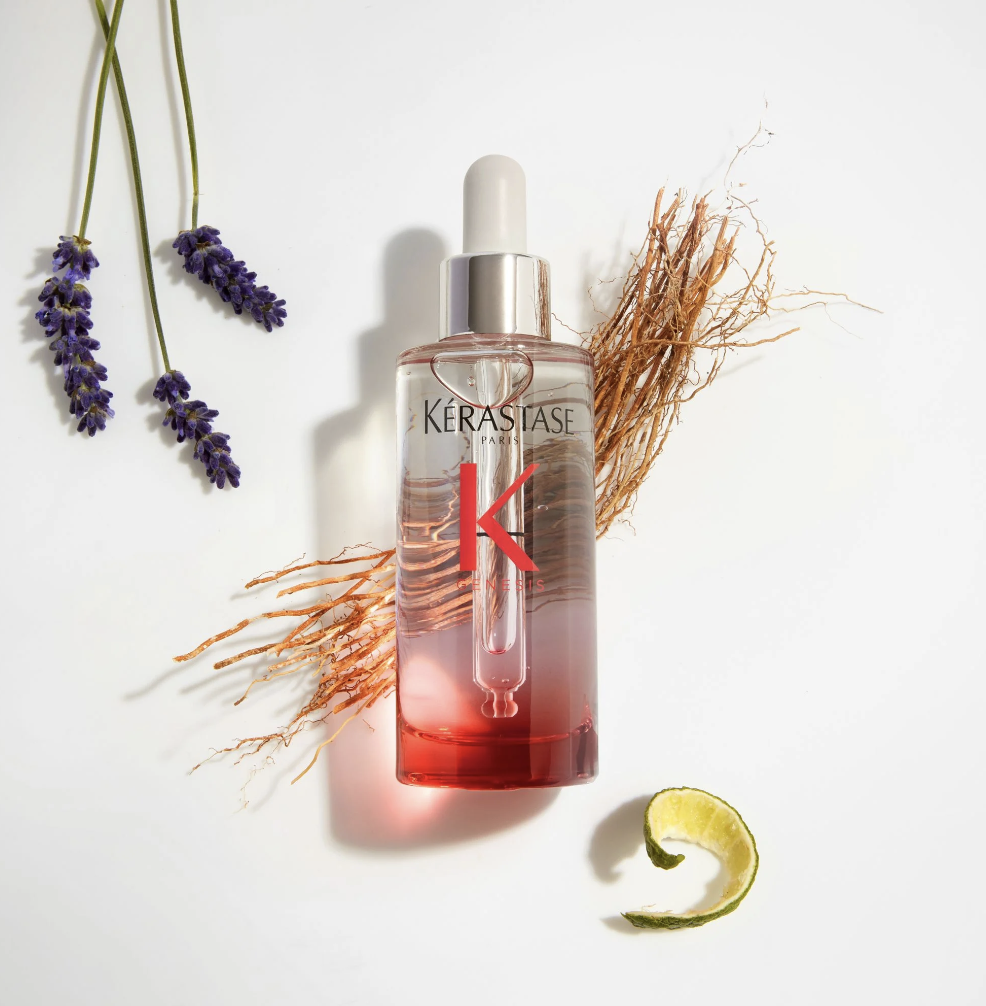
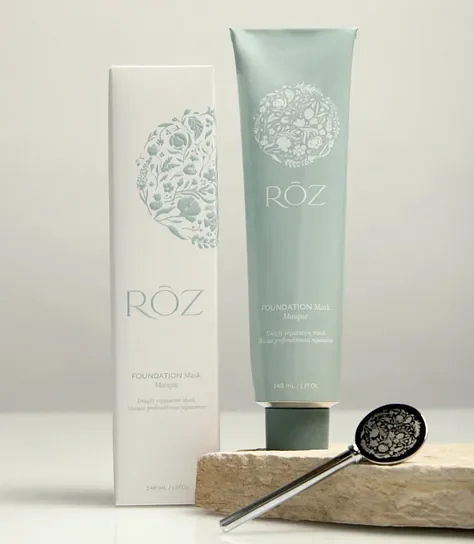
Salon Approved Products
“Your at-home care can go really far with repairing your hair. If a client is dealing with damage, I recommend swapping their conditioner with a repairing mask about once a week and using leave-in treatments to further nourish the hair before styling. If the damage is very severe, I may recommend taking a break from color and extension services for a bit to give the hair a rest and a chance to regrow healthily.” - Lucille Javier, Colorist
Professional Repair Treatments:
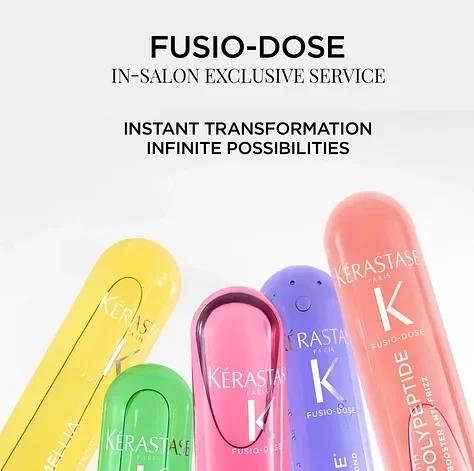
Kérastase Fusio-Dose: This in-salon treatment is customized to your hair’s specific needs to provide instant results. It’s applied at the shampoo bowl and only takes five minutes to repair and protect your hair. Consult with your stylist to see which treatment is best for you.
Keratin Treatments: These treatments work by infusing the hair with keratin protein, which fills in gaps in the hair shaft, strengthens strands, and seals the cuticle. The result is frizz, adds shine, and makes hair more resilient to damage.
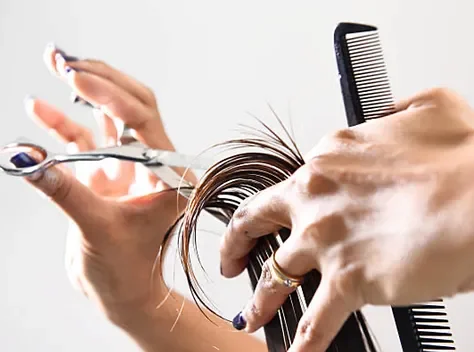
Regular Trims: Sometimes, the most effective step is to remove the most damaged ends. This instantly improves the hair’s appearance, reduces frizz, and stops splits from traveling up the shaft. You should schedule trims about every 6-8 weeks.
Deep Conditioning Treatments: In-salon conditioning treatments use professional-grade ingredients and heat to deeply penetrate hydration and nutrients deep into the cortex, delivering results you can’t achieve at home.
Repairing hair damage is a process that requires changing habits, adopting a consistent routine, and seeking professional help when needed. With the right plan, you can transform your hair from fragile to strong, shiny, and resilient.